When Bible Verses Go to War


Based on a recent conversation on the Good Faith Podcast about holy war texts, hermeneutics, and the stakes of how we read Scripture, with guest and friend Pete Wehner
There is a sentence Pete Wehner offered quietly in a recent conversation on the Good Faith podcast that deserves to be heard loudly in every pew, seminary classroom, and apparently, the Pentagon: “They confuse the inerrancy of Scripture with the inerrancy of their own interpretation of Scripture.”
This is not a minor doctrinal quibble. It is the difference between a living faith and a loaded weapon.
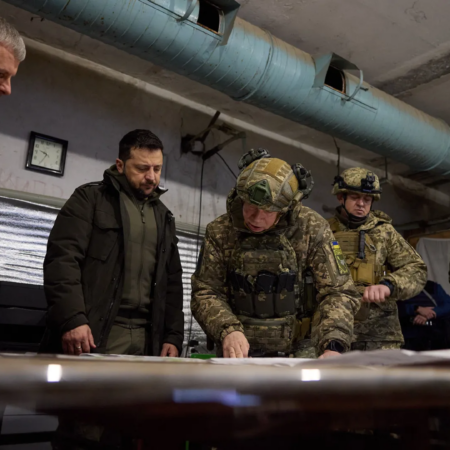
The conversation between Wehner, a longtime writer for The Atlantic and The New York Times, and former White House official under three administrations, and host Curtis Chang began where it had to: with the alarming spectacle of Secretary of Defense Pete Hegseth praying at a Pentagon worship service, invoking Psalm 18:37 (“I pursued my enemies and overtook them, and did not turn back till they were consumed”) to call for “overwhelming violence of action against those who deserve no mercy.”
This is not a man being rhetorically colorful. This, Wehner argues, is a man whose theological convictions, however misinformed, are shaping decisions about war and, ultimately, the future of our country.
The conversation that followed is one of the more serious public reckoning with hermeneutics (definition: the art and science of biblical interpretation) that you are likely to encounter outside a graduate seminar. And it is a reckoning that is long overdue and worthy of our reflection.
There are, as Wehner and Chang note, roughly thirty-seven passages in the Old Testament that appear to portray God endorsing what scholars call herem, or total, merciless warfare. Kill the men. Kill the women. Kill the children. Kill the cattle. These texts have disturbed believers for millennia, and the history of how the church has handled that disturbance is itself a story worth telling.
What we're reading, recommending, and wrestling with—all in Good Faith.
But perhaps we might focus on something simpler: the question of not merely what these texts say, but where you stand when you read them. If you begin with a “flat” Bible and treat Psalm 18:37 as equally weighted to the Sermon on the Mount or to the Passion narrative, you will find what Hegseth finds. But if you read Scripture as Christians are called to read it, through a Christological lens, with Jesus himself as the interpretive key, a different picture emerges.
The cross, Curtis offers, is not just a doctrine. It is a hermeneutic. It is God, in human flesh, choosing the receiving end of the spear as he renounces the very nationalistic violence that certain Old Testament passages seem to celebrate. To read the Bible faithfully, he suggests, is to read those thirty-seven troubling passages in light of this definitive act, not the other way around.
This is neither liberal hand-waving nor textual timidity. It is, in fact, the oldest orthodox move in the Christian playbook. Jesus himself did it: You have heard it said… but I say to you. The early church did it. And the stakes of refusing to do it are not merely theological. As this conversation makes clear, they are geopolitical.
The misreading of Scripture has never been merely an academic error. It underwrote slavery. It sanctified apartheid. And now, Wehner warns, it is animating a vision of American-military-power-as-holy-crusade.
“We debated for truth,” Wehner says, quoting Owen Barfield’s description of his friendship with C.S. Lewis. “Not for victory.”
In an era defined by exactly the opposite, that distinction may be the most countercultural posture available to the people of God.
Intrigued? Here are three questions to help you think deeply and reflect wisely on our recent conversation with Pete Wehner:
C.S. Lewis and Owen Barfield “debated for truth, not victory.” Where in your own life are you debating for victory and what might it cost you to stop?

Get the latest insights and updates delivered straight to your inbox weekly.