
Recent Episodes
View All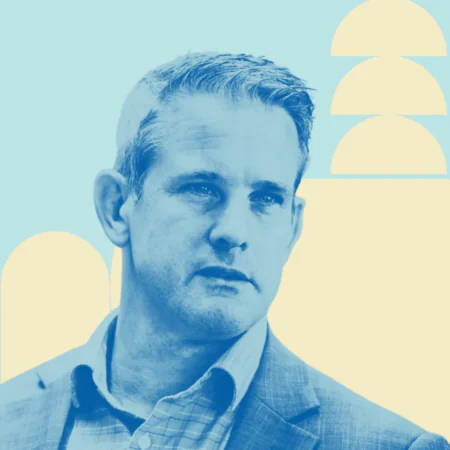











Episode Collections
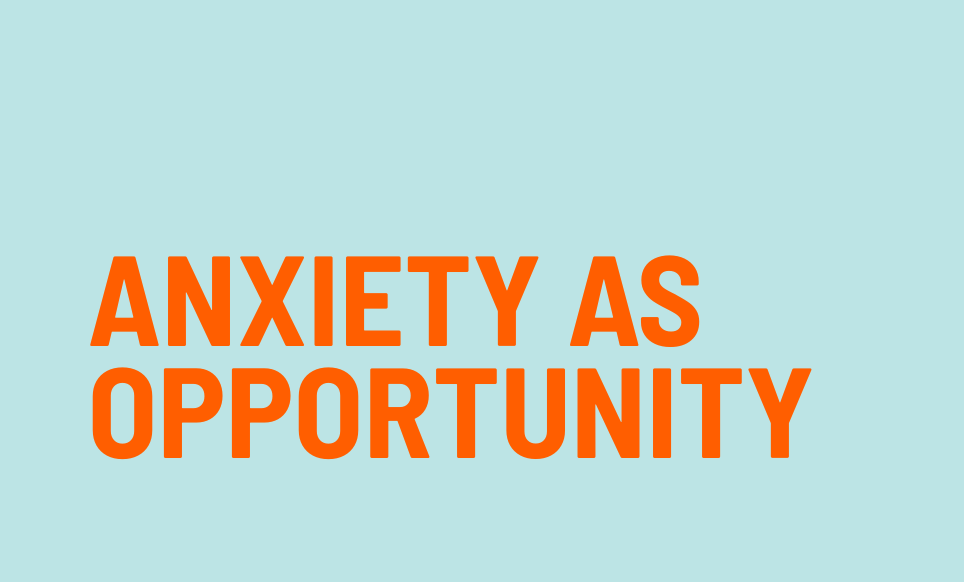
Discover how anxiety can become a space for spiritual growth, inviting us to depend more deeply on God and be formed into people of peace and courage.

Join David and Nancy French for conversations that bring honesty, humor, and hope to the toughest issues of faith, culture, and community.
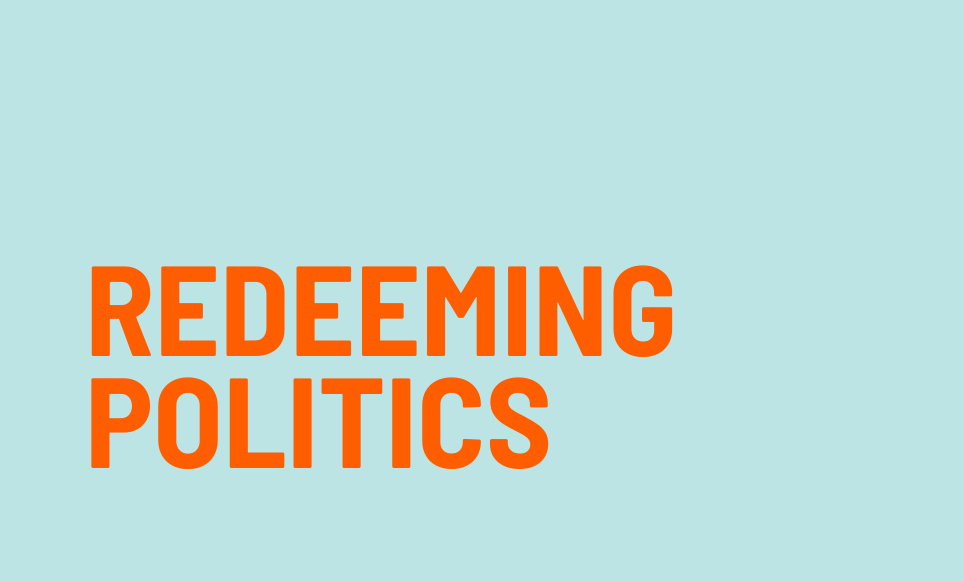
Explore how faith can shape our politics through conversations rooted in hope, humility, and a shared pursuit of the common good.
From marriage to dementia to dying well, explore how friends who follow Jesus can navigate life’s hardest realities with courage, compassion, and a steady faith in what’s yet to come.
From AI to social media, Andy Crouch helps us discover how followers of Jesus can navigate technology with wisdom, discernment, and a vision for human flourishing.

Discover how we can nurture a resilient, thoughtful faith in the next generation—helping young people live with courage, curiosity, and conviction in a changing world.

From our fall 2025 immigration series to conversations in Minnesota and Chicago, Good Faith explores the theology, policies, and human stories behind immigration—helping followers of Jesus love their neighbor with clarity, courage, and hope.
From theology to science to everyday Christian practice, Good Faith explores how followers of Jesus can engage climate change with hope, humility, and meaningful action.
Social Feed
At the Lincoln Library in Springfield, four portraits greet visitors: one for each year of his presidency.
Year one, he looks young. Year four, worn out. Former Congressman Adam Kinzinger’s takeaway: “doing the right thing takes a toll.” He and Curtis talk about what courage looks like in public life, and how to spot it in the people asking for your vote.
Listen now at GoodFaith.org
#GoodFaithPodcast #AdamKinzinger #Courage


A fast-changing culture might be good news for faith.
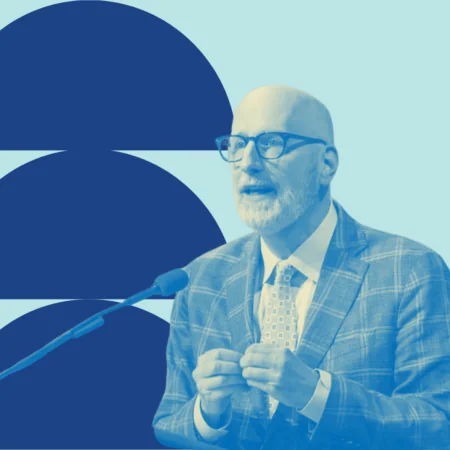
Many Christians feel anxious about life in a post-Christian West. Alister McGrath sees an opening. When ideas that seemed right five years ago get swept aside, people start looking for something stable, and he says Christianity “speaks with even more power than it might have done ten years ago.”
Listen now. Link in bio.
#GoodFaithPodcast #AlisterMcGrath #Hope

Someone once told Alister McGrath: “you once helped me to realise faith is true, but now you make me realise it’s real.”
True and real. Not the same, and both matter. Swipe for more from the former atheist on flourishing, suffering, and worship, then hear the whole conversation with Curtis.
Listen now. Link in bio.
#GoodFaithPodcast #AlisterMcGrath #Hope

The hardest work after November won’t happen at a polling place.
David French tells Curtis that what he’s hoping for goes beyond any result: a country ready to extend grace, so neighbors on opposite sides can find their way back to each other. It’s a hopeful vision, and one every follower of Jesus can start practicing now.
Listen now. Link in bio.
#GoodFaithPodcast #DavidFrench #Grace

A tourniquet is not a cure.
“The midterm election is a tourniquet... it is triage... It is not healing.” - David French
Whoever wins Congress, David argues, the deeper damage to our institutions won’t be repaired in one night. Curtis and David look past the scoreboard at what Congress can and can’t check, why close margins carry real risk, and what it would take to get more leaders with the courage to buck their own party. If you’re bracing for November, start here.
Listen now. Link in bio.
#GoodFaithPodcast #DavidFrench #Midterms2026

It used to be that good words were rare. If you could offer them through a sermon, a book or a lecture, people would stop and listen.
Now, as Curtis points out, AI can churn out words for free. @johnmarkcomer er adds that they often come with about the same amount of wisdom. His answer isn’t more words. It’s people whose words carry a kind of inner authority that only comes from time spent in the quiet. Jesus modeled this: the more in demand he became, the more often he withdrew to pray (Luke 5:15–16).
Who’s someone whose words carry weight because of how they live?
Listen to “Does the Church Need a Quiet Revolution?” wherever you get your podcasts. Link in bio.

The monk leading the silent meditation was on his iPhone.
While writing Into the Quiet, @johnmarkcomer went on retreat to a remote monastery in Big Sur, two hours past the last cell signal. Even there, the digital age had found a way in. John Mark says this is the first time in history you can go your entire life without ever really being alone.
Curtis pushes him hard: is silence essential to following Jesus, or just a nice extra for introverts? And does a “quiet revolution” have anything to say to a church tangled up in power and politics? What we didn’t expect was how gentle John Mark’s answer to “where do I start?” turned out to be. Buy an old-school alarm clock, leave your phone in another room, and let Psalm 23 roll through your mind before you get out of bed.
What’s one small way you’ve made room for quiet this year?
Listen to “Does the Church Need a Quiet Revolution?” wherever you get your podcasts. Link in bio.

@sharonsaysso points out that the people we admire most from history usually picked one or two things and stuck with them, sometimes for decades.
Her suggestion for families is to sit down together, choose one cause for the year (the local parks, the soup kitchen, your unhoused neighbors), and actually work on it. Next year, you can keep going or pick something new.
Listen to "Democracy Starts at Home" now. Link in bio.

“Being angry on the internet is not activism.”
@sharonsaysso tells her own kids this, and we haven’t stopped thinking about it. In our recent conversation with her, she makes the case that every adult is shaping how the next generation does politics — parents, aunties, coaches, youth pastors — and that the work that actually changes things usually happens far away from your feed.
Head to the link in our bio to hear more from “America’s government teacher.”

If you met more federal judges, you`d feel better about the country, not worse. That`s David French`s claim, and he`s spent years around judges nominated by both parties.
Curtis pushes on it hard heading into a tense midterm season. What we didn`t expect was where David landed: less a defense of the court than a challenge to the rest of us about how to love a neighbor when a ruling causes real harm. We`re still thinking about it.
What`s one way you`ve seen someone love a neighbor who was being treated unjustly?
Listen to "Can We Trust the Supreme Court?" wherever you get your podcasts.

Andy Crouch`s first memory of education is lying under a piano while his mother played — and what struck him wasn`t her intellectual achievement, it was that she could make something beautiful with her hands.
In this week`s episode with Curtis, he makes the case for a whole category of education elite schools skip: "There`s another thing you can be educated in: how to carry your body through the world and interact with it in such a way that a beautiful, useful result will come out." Woodworking, plumbing, learning an instrument — the kind of skill a diagnostic test could never measure.
Where did you learn something that never showed up on a transcript? Listen in.

When AI can write code, solve technical problems, and increasingly “get the right answer,” what should people study? In, what even is the purpose of school these days? And should we all become plumbers?!
In the latest from Good Faith, Curtis Chang talks with author and technology thinker Andy Crouch about what education is actually for and how we can prepare young people for a world changing faster than our institutions can keep up.
Their conversation moves from college majors and the surprising economic promise of the trades to a deeper question: How do we form people who can exercise judgment, create beauty, care for others, and explore the questions that have no easy answer?
If you have children or grandchildren approaching college—or if you care about the future of education—this episode is for you. Listen to the new episode of The Good Faith Podcast wherever you get your podcasts, and share it with someone navigating these questions right now.
This episode of the Good Faith podcast features a discussion about artificial intelligence and is created with support from DELTA at the University of Notre Dame`s Institute for Ethics and the Common Good, focused on human formation in the age of AI.
