The Song, The Slow, and The Crazy

In a recent podcast with Matt Maher about singing amidst our tumultuous times, Curtis framed our political moment as akin to having a crazy uncle at a Thanksgiving dinner table. Sometimes, he explained, all we can do in the moment is be the relative who gently changes the subject so everyone can take a breather. The Good Faith podcast will return to political topics, of course, but we are using this month’s newsletter to continue that momentary pivot to the subject of art.
Matt Maher and Malcolm Guite, two artists who joined us on the podcast this spring, reminded us of just how tempting it is to attend to art as simply another item in our content stream. There is a phone in every pocket, which has trained us to receive everything in the same shape: short, optimized for attention, most definitely disposable. The mysterious algorithms that live within reward quick-trigger responses and there are the ubiquitous “skip” and “next” buttons which encourage us to keep clicking until we find something better suited for our particular whims and whimsies.
We have, mostly, accepted this as the rules of the game. But it is time to ask whether something has been lost in giving ourselves over to these well-oiled mechanisms.
What has been lost, we think, is slowness.
Maher described how he writes a song: not by manufacturing an easy emotional response, but by following what he calls a “lightning bolt of revelation” through revision, through silence, and through letting a song stay unfinished for years. Guite described why a poem cannot be a movie. A Hollywood action film provides a steady stream of kinetic scenes, timed to explode every 15 – 20 minutes, and we get bored if that expectation is not fulfilled. But a poem says the word summer and asks you to bring your own associations of time and space and memory.
At their best, both forms refuse the logic of consumption and the allure of engineered reactions. Truly great songs and poems demand the slow, costly work of two imaginations meeting — the artist’s and yours — and they will not give you anything at all if you only spend two seconds with them.
Ultimately, artists like Maher and Guite are not providing us with content to consume. They are quietly inviting us to join them in the practice of meaning making.
How then do we become our own “artists?”
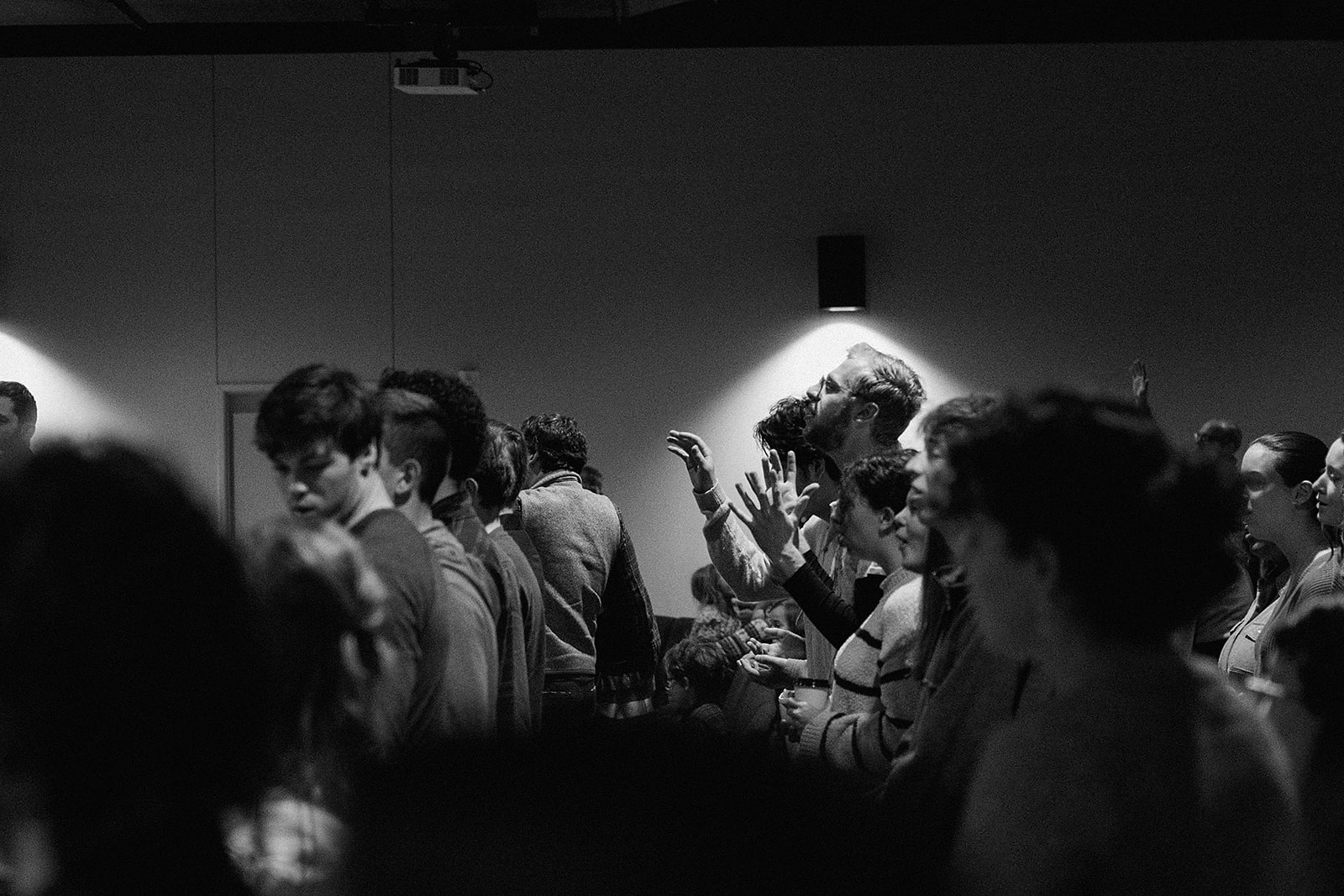
One simple way is to join others in singing together. The research is clear that music — and singing in particular — can elicit profound emotional and cognitive responses, perhaps more durably than any sermon. Sunday morning may be one of the few places left in our culture where adults gather and sing. Andy Crouch and Curtis have talked on Good Faith about how these opportunities are precious, and their value grows the more we worship as active participants (even for those of us who feel self-conscious of our shaky voices) rather than passive consumers of uber-talented worship leaders.
What we're reading, recommending, and wrestling with—all in Good Faith.
The second is to slow down to take in one piece of art this week. A poem. A song you let play twice. A painting you sit in front of for ten minutes. Refuse the algorithm’s temptation to swipe left. Remember that giving slow attention to an object is a prerequisite for loving that object. You love your child, spouse, and neighbor by stopping and attending to them deeply. This love is the very opposite of consumption. As you practice loving art in this manner of slow attention, you are cultivating your capacity to love others and indeed, to love God.
We who are politically and spiritually homeless are tempted to feel that we have nothing to contribute to this crazy moment. But we actually have something immensely valuable to give. We can contribute our voices and attention in our own circles, and thus declare that love – which ultimately originates and returns to God himself – will, as Paul declares in 1 Corinthians 13:7, “ endure all things.”
Keep going and remember that the slow outlasts the crazy.
– From the team at Good Faith

Get the latest insights and updates delivered straight to your inbox weekly.